
Opinion · Local government & elections
Election matters: the service delivery test on 4 November
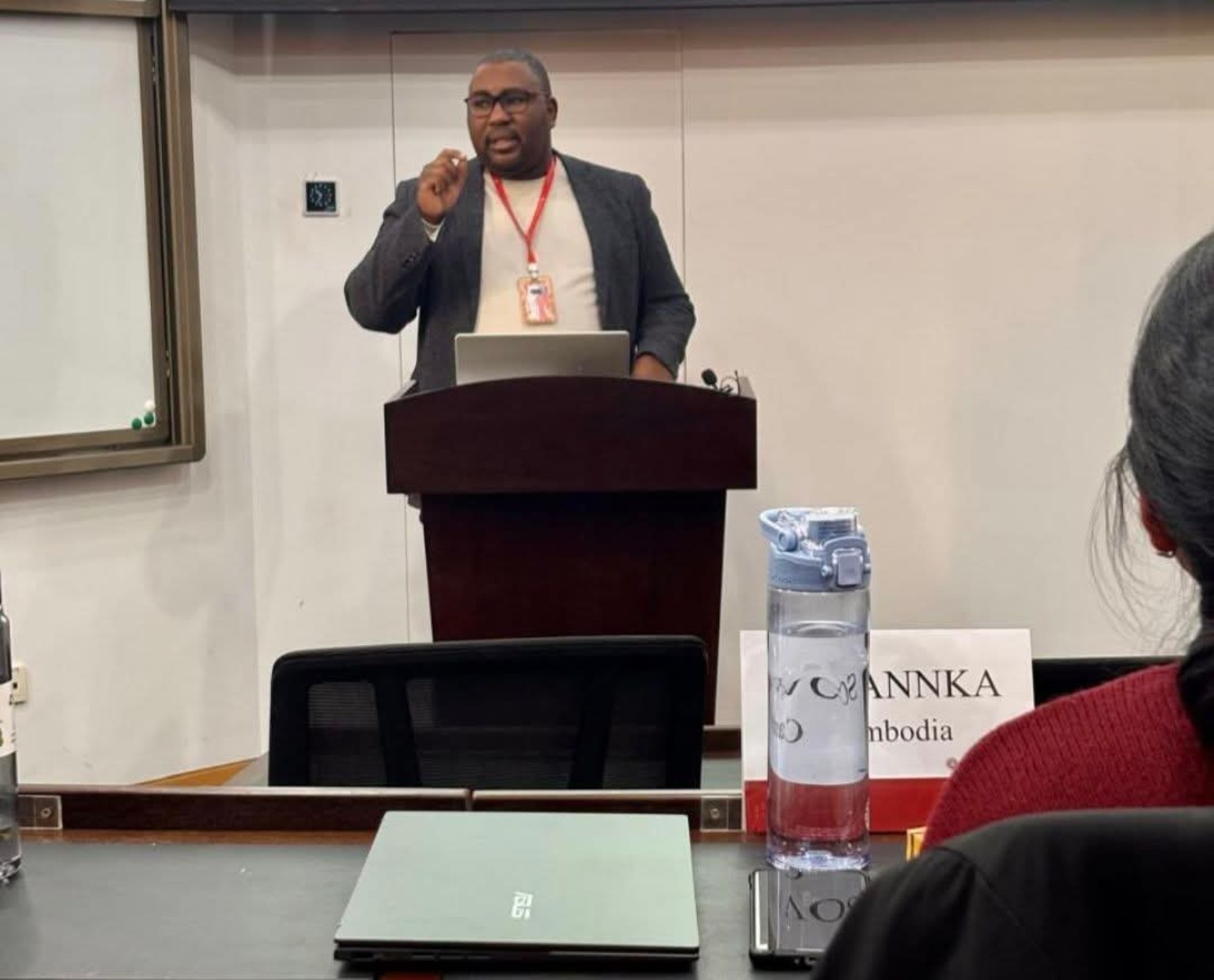
Ahead of the local elections, Lukhanyo “Bhanda” Mtshingana examines how basic services, economic hardship and coalition politics will test political promises.
As South Africa approaches the local government elections on 4 November 2026, political parties face a practical test. Communities want reliable water, maintained roads, working streetlights and safe neighbourhoods. They want representatives who can turn a promise into a service and account when that service fails.
South Africa’s struggle against colonialism and apartheid was also a struggle over ideas. Pan-Africanism, Black Consciousness, communism and nationalism helped shape competing visions of freedom. Debates about capitalism, socialism, land and the distribution of wealth were inseparable from the question of what liberation should mean.
The democratic breakthrough of 1994 brought an ANC-led government to power, rooted in a movement whose Alliance included the South African Communist Party and COSATU. The SACP advanced the cause of socialism, while COSATU organised in defence of the working class. The ANC’s commitment to social transformation placed the lives of ordinary people at the centre of its political programme.
Thirty-two years into democracy, that programme faces a demanding assessment. Stats SA recorded an official unemployment rate of 33.6% in the second quarter of 2026, with unemployment among young people aged 15–34 at 47.4%. Household debt and uneven economic progress add to the pressure on public confidence. For communities living with these realities, a political identity must find expression in improvements they can see and use.
The 2024 national election made the change in the political landscape unmistakable. The ANC received 40.18% support and secured 159 of the 400 National Assembly seats, losing its parliamentary majority. The DA secured 87 seats, the MK Party 58 and the EFF 39. Those results underline the need to earn confidence through performance.
My argument is that the local election will be judged particularly closely against everyday experience. A household without dependable water, or a worker travelling on a damaged road before sunrise, has an immediate measure of the municipality’s work. The creation of jobs and wealth, access to land and relief from the cost of living remain central demands.
This does not mean that political ideas have ceased to matter. It means that parties must explain how their ideas shape budgets, institutions and delivery. A commitment to the working class must be visible in the reliability of public services and in the use of public resources. Ideological conviction carries responsibility for implementation.
The same challenge applies to the relationship between domestic concerns and international solidarity. South Africa is part of the Southern African Development Community, with important regional economic and diplomatic relationships. Public debate about migration and xenophobia has consequences beyond our borders. Yet a person concerned about local services may still ask what those wider relationships mean for daily life.
South Africa’s support for Palestine provides another example. On 29 December 2023, South Africa instituted proceedings against Israel at the International Court of Justice, alleging violations of the Genocide Convention in Gaza. That action reflects a commitment to international justice. It does not remove government’s responsibility to address hardship at home, and it should not be presented as though citizens must choose between the two.
The conflict involving Iran and the United States has made the connection between global events and domestic costs more immediate. South Africa imports crude oil and refined petroleum products. Disruption to international supply and shipping can therefore affect fuel prices here, with consequences for transport operators, producers, farmers and households.
Stats SA’s April 2026 figures show the scale of that pressure. Annual consumer inflation rose to 4.0%, from 3.1% in March. The fuel price index increased by 18.2% in a single month. These figures describe the April shock. For the further fuel increases announced for October, the department set an increase of R3.33 per litre in 95-octane petrol, effective from 7 October.
For a low-income worker, a higher fare reduces the money available for food, electricity and other necessities. For a farmer or a business moving goods by road, higher diesel costs squeeze operating budgets and can feed into consumer prices. The political consequence is that people experience the price increase directly, even when its origins lie outside South Africa.
Government must explain those origins clearly, but explanation alone cannot settle the matter. Citizens are entitled to ask what protection is available, how it is funded and whether it reaches them. Temporary fuel-levy relief and support for the Equalisation Fund must therefore be judged against their effect on households and the economy, as well as their cost to public finances.
The ANC should confront this debate with evidence and practical measures. It must explain the international pressures without treating every criticism as a misunderstanding, and show how its response will reduce the burden. Opposition parties will contest the government’s record. The strongest answer is a credible account of what has been done, what remains difficult and what will happen next.
Coalition politics adds another question for voters. When no party wins a majority, negotiations over the formation of a government can determine whether communities receive stable administration or repeated disruption. Candidate lists show who is standing for election; they do not, by themselves, establish what parties will agree after the votes are counted.
Voters should be able to judge candidates and parties against clear service commitments and their willingness to account for public office. Coalition agreements, where required, should support the work of a council and make responsibility for delivery clear. Public institutions must be capable of continuing their work through political disagreement.
The challenge before the ANC is to connect its history and political programme to the demands people place on local government today. On 4 November, the case for public confidence must be made through credible representatives, practical commitments and a record that communities can assess. The people’s daily experience will give those commitments their meaning.
Sources and public record
- The Presidency: local government election day, 4 November 2026
- Electoral Commission: 2024 National Assembly election results
- International Court of Justice: South Africa v. Israel, case 192
- Stats SA: Fuel prices lead inflation higher, April 2026 CPI
- Department of Mineral and Petroleum Resources: fuel adjustment effective 7 October 2026
- Parliament: R10 billion fuel-relief intervention and reporting requirements
- Stats SA: Quarterly Labour Force Survey, second quarter of 2026, media release