

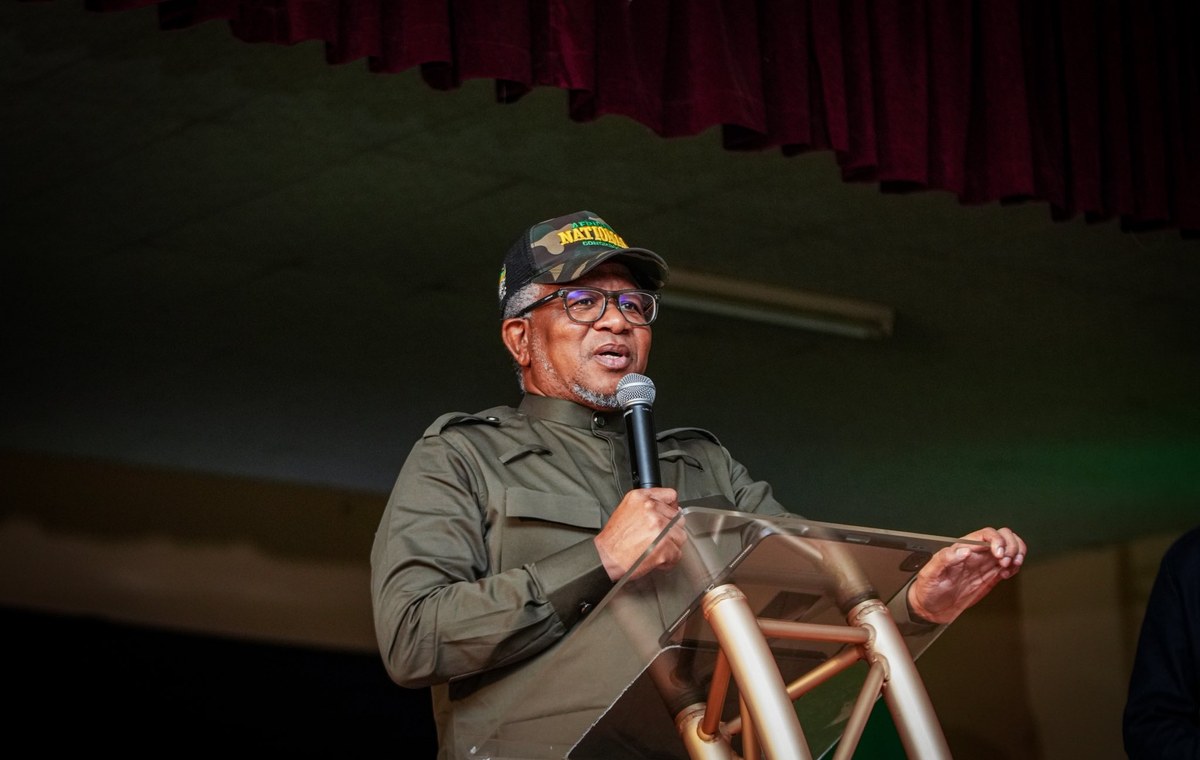
ANC takes the dispute further
The ANC says it will pursue a further appeal after the Electoral Court dismissed its challenge to the exclusion of 181 candidates from the 4 November local government elections. The ruling leaves the disputed nominations in six municipalities outside the ballot, while the party contests the legal treatment of information entered on the IEC’s system before the deadline.[1][2][3]
In a statement issued on 16 September, national spokesperson Mahlengi Bhengu said the ANC respected the courts and the judicial process, but would pursue the legal questions raised by the case. “Having considered the judgment, the ANC will exercise its legal rights and pursue the appropriate appeal process,” the statement said.[3]
At the centre of the dispute is the difference between capturing candidate information and completing the system’s final submission step. The ANC maintains that its information was already in the IEC’s electronic system before nominations closed. The Commission’s position is that information captured without final submission did not constitute completed nominations.[2][3]
That distinction has electoral consequences. The ANC’s challenge seeks to restore candidates excluded through the nomination process, with implications for the choices available to voters in the affected municipalities. The party has lost this round of litigation; its stated intention is to contest the outcome through a further appeal.
The order leaves 181 candidates excluded
The matter was heard on 15 September by a panel comprising Modiba J, Mangcu-Lockwood AJ and Professor Phooko as an additional member. The order, dated 16 September, dismissed the ANC’s appeal, admitted the DA as an intervening party and made no order as to costs. ATM’s intervention application was found not properly before the court.[1]
The immediate effect is that the IEC’s exclusion of the 181 candidates remains in place. A statement announcing further legal action does not change that position. For the affected candidates, restoration to the ballot depends on obtaining a different legal outcome.[2][3]
The order records the court’s decision but does not set out its full reasons. It therefore establishes the outcome of the proceedings, rather than providing a detailed account of how the panel resolved the competing interpretations of electronic submission.[1]

Captured information and the final submission
Nominations closed at 17h00 on 28 August. The ANC argued that information entered on the IEC’s Online Candidate Nomination System before that deadline amounted to a valid submission, even though the final confirmation step had not been completed. It disputed whether the requirement to press “submit as final” was expressly established in the electoral legislation or regulations.[2]
The IEC defended the finalisation step as part of the prescribed electronic nomination system. It also rejected the suggestion that a technical failure had prevented submission. According to the Commission’s account reported by EWN, ANC officials were still making changes to lists up to five minutes before the deadline and the system had experienced no technical problem.[6]
These are competing accounts of a specific nomination process. The ANC’s case was not presented as a request to add a new set of names after nominations had closed. It concerned the legal status of information the party says it had already captured. The IEC, in turn, maintained that capturing information and formally submitting nominations were distinct acts.[2][3]
The ANC restated that position after the ruling: “It concerns the legal status of candidate information that the ANC maintains was captured into the IEC’s electronic system before the prescribed deadline.”[3]
The party’s claim that it complied in substance has now met an adverse court order. But reducing its argument to a demand for preferential treatment obscures the issue it took to court: whether the information already in the official system met the legal requirements for submission. That is the position from which the ANC says it will pursue further proceedings.
The DA enters; ATM’s late application fails
The DA’s intervention placed it alongside the IEC in opposing the ANC’s bid. The party argued that capturing candidate information was not equivalent to submitting it and that the nomination deadline had to apply equally. The court granted it leave to participate.[1][5]
ATM also backed the IEC and said it intended to contest in the six municipalities affected by the ANC’s disputed nominations. Its application, however, did not clear the procedural threshold. The order described it as “inordinately late”, contrary to directions issued on 9 September and unsupported by an application for condonation.[1][6]
There is an evident irony in an intervention opposing the ANC over a missed submission requirement itself failing over late filing. The legal distinction remains important: ATM’s application was found not properly before the court, while the ANC’s appeal was dismissed. The order does not give a substantive ruling on ATM’s arguments.
The stakes extend beyond one party
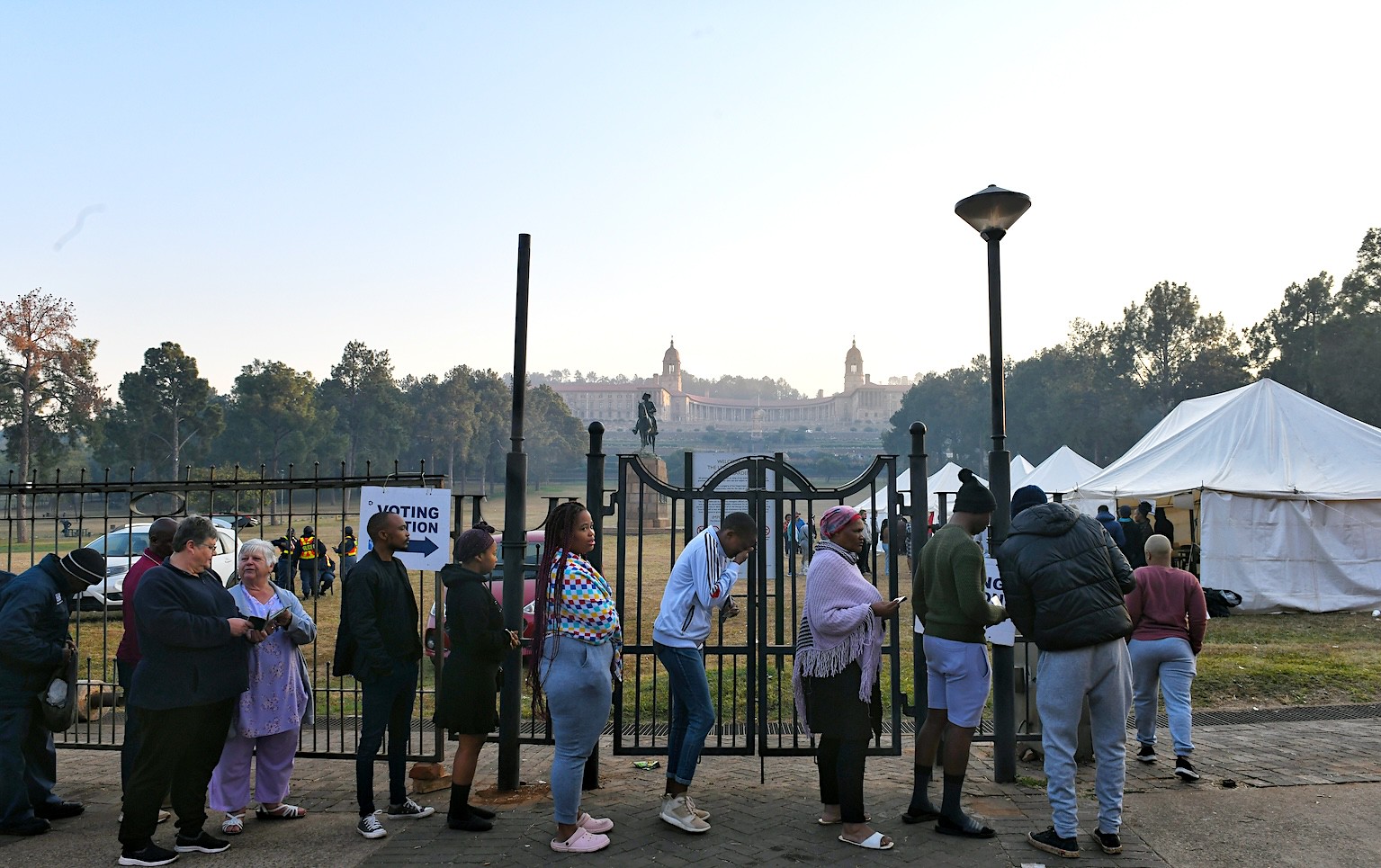
The IEC’s figures place the ANC dispute within a wider pattern of incomplete nominations. According to the Commission’s account reported before the hearing, 2,274 prospective candidates from 45 parties had been captured on the system but not finally submitted by the deadline: 1,794 ward nominations and 480 proportional-representation candidates. The ANC’s 181 formed part of that group.[4][5]
Those figures do not, by themselves, establish that the system failed. They do show that the consequences of the capture-and-submit distinction were not confined to the ANC. Nor does the ANC’s pursuit of relief automatically settle the position of candidates from parties that were not before the court.[5]
For voters, exclusion changes the choices available on a ballot. That is the democratic substance of the ANC’s challenge. Electoral deadlines protect an orderly contest, but their enforcement has consequences beyond party administrators and their computer screens. It reaches candidates seeking public office and communities deciding who will represent them.
Defending that argument does not erase the ANC’s responsibility for completing its nominations. The failure to finalise the disputed submissions has carried a direct electoral cost. The question of organisational accountability and the party’s challenge to the legal meaning of submission arise from the same events, but they are not interchangeable. An administrative failure does not make judicial scrutiny illegitimate; pursuing litigation does not remove the failure.
The ANC’s response
The party’s statement coupled its appeal announcement with a call for members, leaders and supporters to remain “calm and disciplined” and avoid commentary that could prejudice the legal process. It also reaffirmed its commitment to the 2026 local elections, community engagement and its programme for local government.[3]
Bhengu’s statement said legal representatives would engage the court on the questions arising from the judgment. It did not identify a further hearing date or confirm that leave to appeal had been granted. The announced appeal is the ANC’s response to the ruling, not evidence that the exclusion has already been reversed.[3]
The political stakes are therefore concrete: 181 candidates remain excluded, the ANC is seeking another legal avenue, and the dispute turns on the status of nominations recorded before the deadline. The party’s case for voter choice deserves to be examined on that basis, not reduced to a claim that it is entitled to different rules.

Sources and related reading
- Electoral Court order, 16 September 2026 (supplied)
- The Herald: Electoral Court dismisses ANC appeal over candidate exclusions (opens in a new tab)
- ANC statement following the Electoral Court judgment, 16 September 2026 (supplied)
- /explain/: The ANC has an election problem before its list drama (opens in a new tab)
- Southafriworld: 2,274 candidates are affected. Only 181 are the ANC’s (opens in a new tab)
- EWN: ATM moves to intervene in high-stakes Electoral Court battle (opens in a new tab)
Additional reporting: IOL’s report on the ruling and ANC response (opens in a new tab).
Earlier coverage: ANC Defends the Voter’s Right to Choose (10 September 2026; published before this ruling).
Related analysis: The ANC’s 2026 local-government manifesto.
Related analysis: The ANC’s municipal maintenance promise.